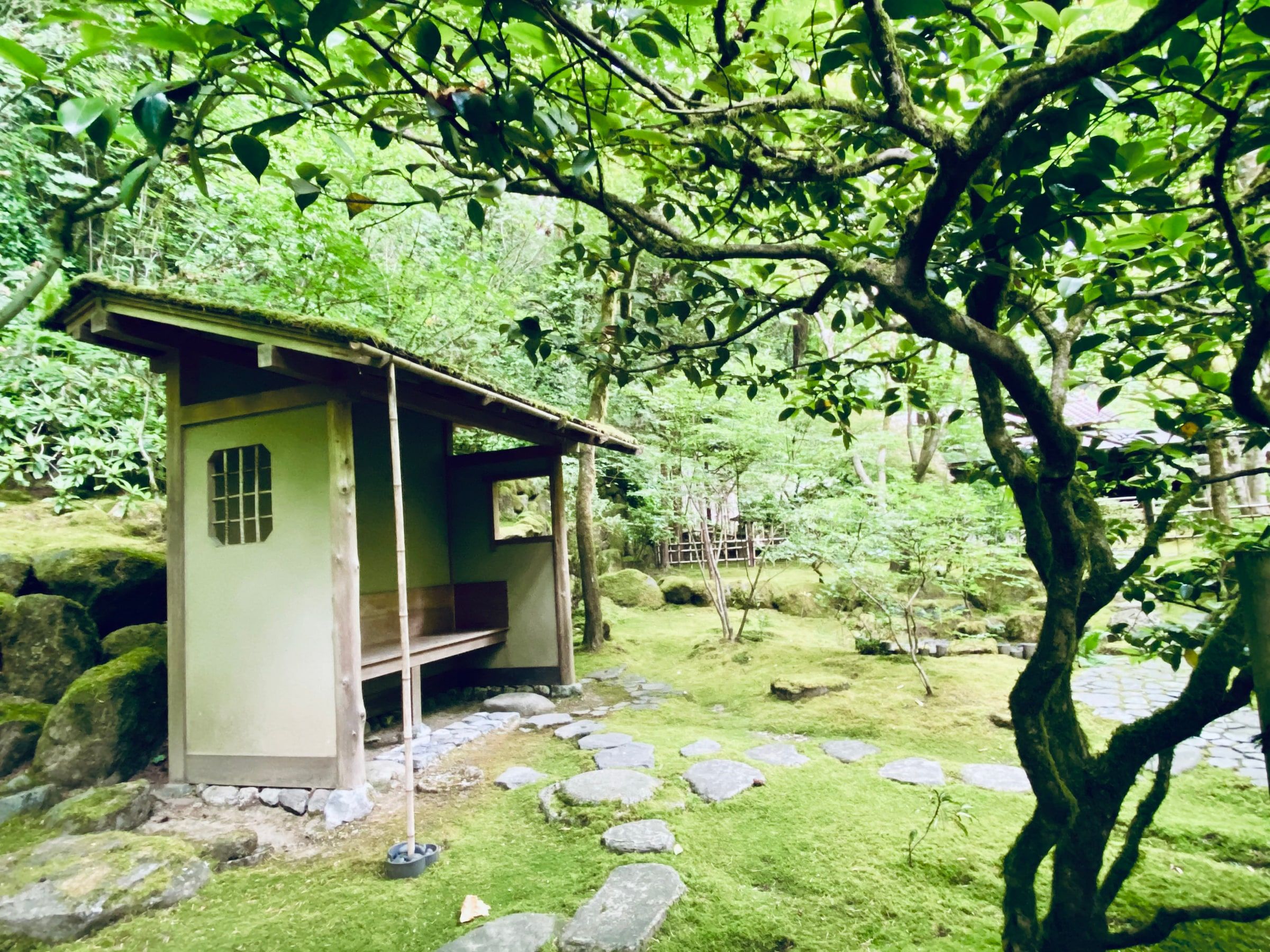
For many of us, caring for others comes naturally. We listen attentively, offer comfort, manage crises, and make sure the people in our lives feel supported and safe. Yet when it comes to turning that same care inward, a heavy wall of guilt often appears. Self-care can end up feeling self-indulgent, selfish, or secondary to the demands of the world.
When we constantly direct our energy outward, our internal world gets neglected. To help reframe this relationship, it can be powerful to look at our body, mind, and spirit through a different lens: as a sacred sanctuary.
Whether you think of this space as a temple, a church, a mosque, or simply a sanctuary or a home, the essence remains the same. It is a space meant to offer safety, warmth, and peace.
If you have spent a lifetime abandoning your inner home to care for others, it may be time to step back inside and ask a fundamental question:
What kind of sanctuary am I running?
The Atmosphere of the Sanctuary
Imagine walking into a sacred space, or a welcoming home. What makes you want to step inside and stay?
It rarely has anything to do with the newest infrastructure or the most expensive decorations. It is about how the space feels. It is clean, warm, and quiet. You feel a sense of calm, safety, and genuine welcome.
Our bodies and minds operate under the exact same principles. The physical body — our muscles, organs, and cells — along with our nervous system, acts as the dedicated staff: the monks, nuns, or caretakers living inside this sanctuary. Their sole purpose is to keep the space running, keep you alive, and make room for everything you live through.
Now pause and observe what is happening inside your walls:
- If you walked into a church and saw a priest physically attacking the staff or punching the walls, how would you feel?
- If you visited a temple and saw the monks drinking excessively, living on junk food, and running themselves into absolute exhaustion, what would you think?
- If the caretakers of a sanctuary were forced to work around the clock without food, rest, or appreciation, how long could they survive before collapsing?
These scenarios sound absurd inside a physical building, yet many of us subject our own bodies and minds to these exact conditions every single day. We starve our physical systems of rest and nourishment, subject our internal parts to harsh criticism, and then wonder why our sanctuary feels broken.
Your Daily Liturgy: Chants and Prayers
A sanctuary is shaped by the sounds that echo within its walls.
Consider the very first thought you have when you wake up in the morning. That is your morning chant.
Consider the last thought you hold before you fall asleep at night. That is your evening prayer.
For those who struggle with harsh self-talk or relentless self-judgment, these thoughts become a continuous, painful recording broadcast over the sanctuary's loudspeakers all day long. If you were the caretaker of a physical temple, would you choose to play a recording of insults and criticism through every hall from morning until night?
When we realize that our thoughts act as the daily liturgy echoing throughout our nervous system and cells, we can begin to notice them without obeying them — and to choose gentler, more supportive words.
Storms, Unwanted Visitors, and the Futility of Revenge
This sanctuary is built to last a lifetime, which means it will inevitably face challenges.
- Environmental storms and earthquakes represent unexpected life events — illness, loss, trauma, and systemic stress.
- Unwanted or abusive visitors represent people who enter our lives, cross our boundaries, make a mess, or inflict harm.
When someone enters a sanctuary, causes damage, and leaves, our immediate instinct is often to run down the street after them. We want to confront them, demand an apology, make them fix what they broke, or seek retribution. (This urge is not a flaw — our anger is a protector trying to guard us from being hurt again.)
Alternatively, we might sink into helplessness, look at the mess left behind, and abandon the temple entirely — leaving our internal caretakers, our body and mind, to clean up the debris all by themselves without any tools or support.
But when an external visitor vandalizes a sacred space, chasing them down the street does not clean the floors or repair the walls. While you are away pursuing the person who hurt you, your home sits damaged and unattended.
Healing begins when we turn around, walk back inside, and focus entirely on restoring our sanctuary.
The Recovery Phase: Closing the Doors for Maintenance
Restoring a sanctuary after a storm or a boundary violation requires a period of recovery. In human terms, this means:
- Adjusting operating hours. You may need to temporarily close the doors to the public. This looks like setting firm boundaries, saying "no" to external demands, and protecting your solitude.
- Assessing the damage. Take inventory of what needs repair — whether that means seeking physical medical care, emotional therapy, or deep rest.
- Waiting for supplies. Healing takes physical resources and time. Supplies must be delivered, and the staff needs time to recover from the strain.
During this phase, patience is essential. It is unhelpful — and unfair — to look at another temple down the street and ask, "Why is their building getting restored faster than mine?" Every structure has different materials, different histories, and different needs. Healing cannot be rushed by comparison.
Software, Hardware, and Soft Leadership
Many people spend immense amounts of energy trying to make their sanctuary the most popular, productive, or knowledgeable space on the block. They gather endless information, try new self-improvement protocols, and push for constant growth.
Yet they rarely stop to check their infrastructure. Every new policy, habit, and expectation is a piece of software they keep trying to install. But does the hardware — the body and nervous system — have the physical capacity to run it? Are the caretakers ready, or are they already running on empty? Forcing new demands onto an exhausted system only leads to frustration and burnout.
Running a sanctuary does not require rigid control or brute force. It requires soft skills: curiosity, openness, patience, and self-compassion. As the leader of your inner home, ask yourself what your vision for this space really is. Do you want your sanctuary to exist solely to broadcast past traumas, anger, and extreme fear? Or do you want it to be a refuge of peace, clarity, and grounding?
Returning to True Freedom
We often mistake giving in to our immediate emotional reactions for "freedom." But true freedom is not letting every passing thought or storm take over the building.
True freedom is recognizing that storms will pass and visitors will come and go, but you remain the steward of this space. You have the power to step back inside, close the doors when necessary, and tend to your body and mind with kindness — rebuilding a space where you actually want to live.
Your sanctuary is yours for a lifetime. Treat it with the reverence it deserves.
If you'd like a gentle place to practice this, I made a small daily check-in for your sanctuary — a quiet, private way to notice how your body, heart, and spirit are doing today, and to offer yourself one small kindness.